Tuesday, September 27, 2011

Even exchange


"From the New World to the Old came amaranth grain, avocados, various beans, bell peppers, blueberries, cashews, chile peppers, cocoa, vanilla, corn, papayas, peanuts, pecans, pineapples, white and sweet potatoes, pumpkins, quinoa, and tomatoes.

"In turn, the Old World sent to the New apples, artichokes, asparagus, bananas, barley, black pepper, cabbage, carrots, coffee, lemons and limes, garlic, lettuce, oats, millet, olives, peaches, peas, rice, rye, soybeans, sugarcane, tea, and, perhaps most important, wheat."

John Mariani, in "How Italian Food Conquered the World"

Monday, September 19, 2011

Powdered donuts

"As the miles shifted into days and Texas ranches became Tennessee hills and Tennessee hills became historical Pennsylvania, I too began to shift. I ate breakfast, lunch and dinner. I ate snacks. I immersed myself in life's essentials: food, drink, shelter and warmth.

"I thought about miles and inclines, flat tires and rain. I thought about the strength of my body and the strength of my spirit. I pedaled, grinding my history, its lessons, and the countless times I'd willed it gone into my muscles and joints, until they became a part of my fiber.

And somewhere in New York state, about two to three cycling days west of Syracuse, I sat contentedly outside a convenience store eating mini-donuts. My back rested against the standard bland beige color of the cement wall and I felt the heat of the sun on my already toasted face.

"I popped a donut, the white-powdered kind that leaves white traces around your lips, into my mouth and washed it down with chocolate milk..."

Michelle Hamilton, in "The Long Road," from the anthology "Her Fork in the Road: Women Celebrate Food and Travel"

Thursday, September 15, 2011

Easy as pie


It is often easier to eat pie than it is to slice and serve pie intact. The filling is sweeter than I would have liked. But it is nothing a small scoop of vanilla ice cream afterward can not temper.

Saturday, September 10, 2011

Burger bliss


The U stands for Umami, by far the best burger in Southern California I have eaten today.

Tuesday, September 6, 2011

Like magic


The tree by the side of the house is sprouting apples again, if sprouting is the right word for apples on a tree. The thing is, I haven't cared for it all year. I haven't given it any special treatment. I haven't pruned it or fertilized it. Nothing. Like clockwork, autumn approaches. The apples return. Like magic, time shifts.

Wednesday, August 31, 2011

What sugar is

"What sugar is and what it means changes according to where we happen to find it. It's a wholesome ingredient blended into down-home confections or it's the non-nutritive additive dumped into junk food. It's the pure and natural sweetener in fruity retro-chic sodas, or it's the stuff of evil lurking in cereal, baby food, and juice. It's a woman's food, in chocolates and cupcakes. It's a man's food, the stuff of sodas, energy drinks, and nutrition bars.

"It's troubling, these multiple lives. As an equal-opportunity lover of all things sweet, I'd like to think the best of them. I'd like to believe they do no harm when enjoyed in moderation and offer only the most excellent things in life - if not good health exactly, then certainly good spirits, good times, and a sense of freedom that takes us back to our youth. But in reality, the taste of sweet can have positive effects and negative effects depending on the kind we eat, how often we eat it, and what else we're eating with it. Those choices we make color other people's perception of our level of sophistication and our wealth... They highlight the disparities between the haves and the have-nots, and between the strivers and the lucky ones who are already where they want to be."

Joanne Chen, in "The Taste of Sweet: Our Complicated Love Affair with Our Favorite Treats"

Monday, August 29, 2011

The cool down


I see directions for a vegetable paella in a cookbook, and think to tackle the dish myself. I saute onions and bell peppers, but mess up on the spices. The heat is just a tad too intense. Not to worry. There is peach ice cream to finish.


Sunday, August 21, 2011

The alumni network

A restaurant does not stay in business for four decades without graduating a few fascinating food folks.

The San Francisco Chronicle's story on Alice Waters and Chez Panisse highlights, among other things, the Berkeley eatery's impressive and far-reaching network of alumni, which extends "to high-end restaurants, artisan bakeries, ice cream shops and cafes - not to mention the pages of dozens of cookbooks throughout the years."

It includes:

Alison Barakat, co-owner of Bakesale Betty in Oakland.

Paul Bertolli, former executive chef of Oliveto in Oakland, and founder of Fra' Mani, a handcrafted salumi and sausage company.

Mary Canales, co-owner of Ici ice cream in Berkeley.

Diane Dexter, co-founder of Metropolis Baking Company in Berkeley.

Suzanne Goin, chef and co-owner of Lucques in Los Angeles, and cookbook author ("Sunday Suppers at Lucques: Seasonal Recipes from Market to Table").

Joyce Goldstein, former chef and owner of Square One, and cookbook author ("Mediterranean Fresh: A Compendium of One-Plate Salad Meals and Mix-and-Match Dressings").

Rick Hackett, chef and owner of Bocanova in Oakland's Jack London Square.

Charlie Hallowell, owner of Pizzaiolo, and Boot and Shoe Service in Oakland.

Paul Johnson, president and founder of Monterey Fish Market in Berkeley and San Francisco.

David Lebovitz, cookbook author ("The Sweet Life in Paris: Delicious Adventures in the World's Most Glorious - and Perplexing - City").

Lili Lecoq, founder of La Farine in Berkeley.

Deborah Madison, founding chef of Greens, and cookbook author ("Vegetarian Cooking for Everyone").

Russell Moore, chef and co-owner of Camino in Oakland.

Mark Peel, opened Campanile in Los Angeles.

Gayle Pirie, chef and co-owner of Foreign Cinema in San Francisco.

Claire Ptak, owner of baking company, cafe and cake shop Violet in London's East End, and cookbook author ("The Whoopie Pie Book").

Judy Rodgers, chef and co-owner of Zuni Cafe in San Francisco.

Amaryll Schwertner, co-owner of Boulettes Larder in San Francisco's Ferry Building Marketplace.

Lindsey Shere, opened Downtown Bakery & Creamery in Healdsburg.

Peggy Smith, co-founded Cowgirl Creamery in Point Reyes Station.

Steve Sullivan, founded Acme Bread in Berkeley.

Jeremiah Tower, chef and co-owner of Stars in San Francisco.

Jonathan Waxman, chef and owner of Barbuto in New York City, and cookbook author ("A Great American Cook: Recipes from the Home Kitchen of One of Our Most Influential Chefs").

Thursday, August 18, 2011

Picking a peach

"Consider where the fruit came from. If it came from 3,000 miles away, then bear in mind that it was probably picked at a much more immature stage, and it's not going to be as ripe and delicious. If it came from a neighboring state, it's probably a whole lot riper."

Desmond Layne, Clemson University peach specialist, on NPR's "All Things Considered"

Tuesday, August 9, 2011

"The Giant Peach"

"It was quite a large hole, the sort of thing an animal about the size of a fox might have made.

"James knelt down in front of it and poked his head and shoulders inside.

"He crawled in.

"He kept on crawling.

"This isn't just a hole, he thought excitedly. It's a tunnel!

"The tunnel was damp and murky, and all around him there was the curious bittersweet smell of fresh peach. The floor was soggy under his knees, the walls were wet and sticky, and peach juice was dripping from the ceiling. James opened his mouth and caught some of it on his tongue. It tasted delicious.

"He was crawling uphill now, as though the tunnel were leading straight toward the very center of the gigantic fruit. Every few seconds he paused and took a bite out of the wall. The peach flesh was sweet and juicy, and marvelously refreshing.

"He crawled on for several more yards, and then suddenly - bang - the top of his head bumped into something extremely hard blocking his way. He glanced up. In front of him there was a solid wall that seemed at first as though it were made of wood. He touched it with his fingers. It certainly felt like wood, except that it was very jagged and full of deep grooves.

"'Good heavens!' he said. 'I know what this is! I've come to the stone in the middle of the peach!'"

Roald Dahl, in "James and the Giant Peach"

Sunday, August 7, 2011

A human noodle vacuum

"You're gonna slurp those noodles. You're not chewing them. You're not cutting them up. You're trying to inhale them like a human noodle vacuum. And they should slurp in a pleasing way...

"And then that broth that they're served in, it should dress the noodles. It should coat the noodles. It should flavor the noodles. It seems like the simplest thing for a bowl of noodle soup to do. But when you're in front of a bowl and that's happening... you're most of the way there..."

Peter Meehan, co-editor of Lucky Peach, on a proper bowl of ramen on NPR's "All Things Considered"

Sunday, July 31, 2011

Finger-lickin' good

For Nigel Slater, the best part about honey-glazed chicken wings comes toward the end of the meal.

"Like watching the credits rolling after a film, the licking of fingers is when you get to savour what you have just enjoyed..."

The British food writer serves up another damn fine read in The Observer. Without fail, he makes us hungry.

Saturday, July 30, 2011

Bagels on the brain

One minute I am reading about bagels in Britain, reminiscing, for example, about Brick Lane Beigel Bake in London.

"Anyone who has visited an authentic bagel shop will know the steamy, burnished aroma of bagels made in small batches... Freshness is the core philosophy in this place, and the ovens are on the go continually. Under the glossy crust, the dough is dense yet tender, slightly sweet with a beery yeastiness..."

The next minute I am toasting a bagel for breakfast and slathering it with cream cheese. It doesn't take a whole lot of convincing. I am easy like that.

Monday, July 25, 2011

Hard to resist

"Then the Tour started. And it was impossible to resist. It always is. It sits there like a slice of key lime pie or the last piece of fried chicken, mocking will power. Cycling may punish you later, but it's so seductive in the present. That is what the sport knows, why it perseveres, despite its repeated, maddening mess-making..."

Only in The Wall Street Journal perhaps can a sports writer compare the Tour de France, "already stuck in a queasy fog," to key lime pie and fried chicken. Oddly enough, though, the references work.

Friday, July 22, 2011

Peeling the banana


Who knew the banana could be such a complicated fruit? Or, perhaps more accurately, who didn't know? Really.

Dan Koeppel's book "Banana: The Fate of the Fruit That Changed the World" is fascinating.

"The more I researched, the more it became clear that there's nothing we eat - that the world eats - more paradoxical than the banana," he writes. "The humble treat we pack into our lunchboxes is among the most complex crops cultivated by humans. In ancient times, the fruit helped the earliest farmers put down roots and establish communities. In the modern era, the banana - literally - has destroyed nations and ruined lives."

Koeppel's segment on "Science Friday" with Ira Flatow on NPR is equally fascinating.

Tuesday, July 19, 2011

"Plum Gorgeous"


This is Just To Say

I have eaten
the plums
that were in
the icebox

and which
you were probably
saving
for breakfast

Forgive me
they were delicious
so sweet
and so cold

William Carlos Williams, quoted in Romney Steele's "Plum Gorgeous: Recipes and Memories from the Orchard"

Sunday, July 17, 2011

Cookie coincidence


I could not let the moment in Manhattan Beach pass without a picture.

Friday, July 15, 2011

Pass the passata

Ever since a friend in London mentioned passata in a curry recipe from his mother's kitchen, I have wondered about it. Is it essentially pureed tomatoes?

The Telegraph talks about San Marzano tomatoes in a piece on store-bought passata, used in this case to add depth and texture to weeknight pasta sauces. It provides some enlightenment.

Thursday, July 14, 2011

Kabuki before Carmageddon


On a Thursday in Southern California, we navigate the 405 one last time before Carmageddon strikes over the weekend.

The sushi at Kabuki in the Howard Hughes Center is worth the drive. We enjoy the food and the company.

Saturday, July 9, 2011

All-around goodness

Breakfast might or might not be our favorite meal of the day. That remains a toss-up. It does, however, give us an excellent reason to get out of bed in the morning.

Travel + Leisure offers a compelling look at hotel breakfasts around the world. There are dumplings in China, for example, and parathas in India. There are bangers and bacon in Britain, and biscuits and beignets in the U.S. There is goodness everywhere.


Tuesday, July 5, 2011

Food and family

When friends in the United States ask about her native Singapore, Cheryl Lu-Lien Tan often tells them she misses "the food first and then my family. They think I'm joking." She assures them she's not.

She misses the complexity of dishes influenced by Chinese, Malaysian, Indian and European flavors. The availability of seafood and a love of spices, for example, gave birth to chili crab, "a signature Singaporean dish of crab fried in a vermilion, egg-streaked gravy."

In "A Tiger in the Kitchen: A Memoir of Food and Family," Tan charts her affection for items she grew up eating. She describes her recent return to Singapore to cook with relatives, and to reconnect.

She contrasts situations in New York City, where, as a journalist, she always seemed to be on deadline, with adventures abroad alongside her mother, maternal grandmother and aunts. "I had slowed my life down so I could try to watch, to listen, to learn."

Tan reminisces about time she spent as a child with her father alone, after her mother and younger sister, Daphne, had gone to sleep.

They "huddled over late-night suppers of take-out noodles from Singapore's hawker stands... The slippery fried shrimp noodles we adored came sprinkled with chewy circles of squid. The noodles, wrapped in industrial-strength wax paper, were generally so greasy that the oil penetrated the paper, filling it with dark spots. I always looked forward to the moment when we would carefully peel back the wax paper and steam would rise, fogging up our glasses." It is a touching and evocative scene.

Over meals like these, she heard about her father's personal history and the pressures he occasionally faced. She learned of his work. They talked politics, sports and economics, too. He encouraged her ambitions, giving her the drive and confidence to leave home at 18 to attend college in America.

With humor and humility, Tan also recalls cooking lessons she received more recently from females in her extended family. She spent afternoons in their kitchens in Singapore making pineapple tarts, for example, the way her paternal grandmother made them decades earlier for Chinese New Year. They are small buttery shortbread cookies topped with a sweet, dense pineapple jam.

She sat anxiously with a camera and a notebook, she says, thinking it would be the best way to capture every detail. In the end, however, consistent and exact measurements proved elusive. The women around her worked quickly and instinctively.

While Singapore had been home to Tan, a place linked inextricably to her past, the Middle East becomes a new sort of home to Annia Ciezadlo. In "Day of Honey: A Memoir of Food, Love and War," the New York City reporter shares her recent experiences living and working in Baghdad and Beirut. She describes the ways in which eating and cooking helped to settle her there.

Ciezadlo talks about the meals she had in Queens with her Lebanese husband, Mohamad, also a journalist, early in their courtship. They ordered baba ghanouj, for example, and stuffed grape leaves, something her Greek grandmother in Chicago used to make, something his mother in the Middle East still makes.

At his favorite neighborhood restaurant, they had "bolani kashalu, crisp oily little turnovers packed with soft potatoes and herbs and blistered brown on the outside." They had "banjan burani, charred, buttery eggplant slices buried under yogurt sprinkled with dried mint." They had chicken kebabs, basmati rice and grilled Afghan bread.

She writes of the couple's move overseas after he becomes chief of Newsday's Middle East bureau, and of their stays in Iraq and Lebanon. In unfamiliar locations, Ciezadlo says, she defaults to food.

"Some people construct work spaces when they travel, lining up their papers with care, stacking their books on the table, taping family pictures to the mirror. When I'm in a strange new city and feeling rootless, I cook. No matter how inhospitable the room or the streets outside, I construct a little field kitchen."

In Baghdad, for example, Ciezadlo plugged a hot plate into an electrical outlet in the hallway of their hotel. She shopped in local markets and prepared whatever she could find: green almonds, black figs, chicken.

She cooked, she says, "to comprehend the place I've landed in, to touch and feel and take in the raw materials of my new surroundings... (and) for that oldest of reasons: to banish loneliness, homesickness, the persistent feeling that I don't belong in a place." In terrific, deeply affecting prose, she speaks to the inherent pleasures of food and the necessities that transcend geography.

Ciezadlo met her in-laws in Beirut, too. She was tense in the beginning, fearful perhaps of what they might think, but soon realized she needn't be. Mohamad's mother, Umm Hassane, welcomed her with a large pot of zucchini stew. "The whole place smelled like garlic, beef stock, simmering vegetables, and lemons; to me, it smelled like home." She knew everything would eventually be all right.

Whether returning home to reconnect or venturing forth to strengthen bonds, whether in New York City or Singapore, Baghdad or Beirut, Tan and Ciezadlo celebrate the value of eating and cooking in their lives. They honor the role food plays in relation to family, the one they are born to as well as the one they marry into. They recognize what's important.

(A version of this review appears on www.culinate.com.)

Monday, July 4, 2011

Red, white and blue


Because it is the Fourth of July.

Friday, July 1, 2011

Grillin'

"One of the extraordinary things about grilling, it's a public event. It's a theatrical event. It's a social event. People do not gather around a stove to watch a pot of soup simmer, or an oven to watch a cake bake. But when you grill, instantly, you have a crowd."

Steve Raichlen, author of "The Barbecue! Bible," on NPR's "Morning Edition"

Sunday, June 26, 2011

Cookie cake


Leave it to me to bypass meat and seafood recipes in Lourdes Castro's latest cookbook "Latin Grilling: Recipes to Share, From Patagonian Asado to Yucatecan Barbecue and More" and hone in on dessert. Or more specifically on alfajores.

"Found all over Argentina," she writes, "they are made up of dulce de leche sandwiched between two cakey brown sugar cookies. The sandwich is then either dipped in chocolate or coated in confectioners' sugar."

Castro streamlines the cookie effort with an Alfajor Gigante, a dulce de leche cookie cake. Hers is an interesting take.

Dulce de Leche Cookie Cake (Alfajor Gigante)
from Lourdes Castro's "Latin Grilling: Recipes to Share, From Patagonian Asado to Yucatecan Barbecue and More"

2 1/2 sticks unsalted butter, at room temperature
2 cups packed light brown sugar
3 eggs
1 Tbsp. vanilla extract
2 1/4 cups all-purpose flour
1 1/2 tsp. baking powder
1 1/2 tsp. salt
1 cup dulce de leche
confectioners' sugar, for dusting (about 1/4 cup)

Preheat the oven to 350 degrees F. You will be using two oven racks, so make sure one is placed on the lower brackets and the other in the center.

Cut out parchment paper circles to fit in the bottoms of each of two 9-inch round cake pans. Butter the bottoms of both pans, top with the parchment rounds, and butter the tops of the parchment rounds. Set aside.

Using a handheld electric mixer or stand mixer with a paddle attachment, beat the butter and sugar until smooth, about 2 minutes.

Add the eggs and vanilla and continue beating for another 3 minutes, until light and fluffy. If necessary, scrape the bottom of the bowl with a rubber spatula to fully incorporate the ingredients.

Place the flour, baking powder and salt in a bowl and stir with a fork to combine. Add about a quarter of the flour mixture to the butter-sugar-egg mixture, beating until fully incorporated. Continue adding the flour in batches until it's all mixed in. The batter will be slightly thick. Be careful not to overbeat the mixture as this will result in a tough cookie.

Pour half the batter into each cake pan. Using a rubber spatula, carefully spread the batter toward all sides of the pan, making sure that the thickness of the batter is level throughout. This is necessary to ensure even cooking. Bake for 20 minutes, or until an inserted skewer or toothpick comes out clean.

Remove the cakes from the oven and allow to cool for 15 minutes in the pans. Run a thin knife blade around the perimeter of the cakes and invert them onto a work surface. Peel off the parchment paper.

Place the cakes side by side with the bottoms facing up. Spread the dulce de leche over the exposed surface of one of the cakes. Invert the plain cake over the one spread with dulce de leche so that the sides of the cakes with the parchment are the insides of the sandwich. Carefully move the cake onto a serving platter.

Dust a generous amount of confectioners' sugar over the top of the assembled cake. Makes 10 servings.

Dulce de Leche
from Lourdes Castro's "Latin Grilling: Recipes to Share, From Patagonian Asado to Yucatecan Barbecue and More"

It is not difficult to make your own dulce de leche; it just requires time and a little attention.

Place an unopened can of sweetened condensed milk at the bottom of a very large pot filled with water. The can should be completely submerged.

Bring the water to a boil, turn the heat down, and allow it to simmer uncovered for 2 1/2 hours. Make sure the can is always covered with water and add hot water to the pot as soon as you see the water level skimming the top of the can.

Keeping the can submerged in water ensures that the milk will cook and caramelize evenly. While there is no danger if the water level drops below the top of the can, the can may burst if the pan goes dry.

Once the milk has finished cooking, move the pot into the sink and run cold water into it to cool the can. Take the can out of the pot and let it cool at room temperature for 30 minutes.

Open the can only after it has cooled completely in order to keep the hot dulce de leche from bursting out.

Monday, June 20, 2011

Japan drinks

In "Drinking Japan: A Guide to Japan's Best Drinks and Drinking Establishments," Chris Bunting talks of sake and shochu, beverages long associated with Japan.

He also takes a substantial and welcomed look at the popularity of beer, whiskey and wine in modern Japanese culture. He provides context and suggestions on where to find the best and most of them, citing hours and atmosphere, for example, and offering directions to get there.

For what many might consider the dream assignment, Bunting "spent a wonderful year up and down the country meeting hundreds of brewers, distillers and bar owners..." He learned of technique and business philosophy. He tasted and took note of regional preferences.

"Today, if you look at a map of Japan's alcohol consumption, you will find the people of Kyushu (including Suye village) drink nearly twice as much shochu per person per year as the rest of Japan... The heartland of sake is the center and north of the main island... The same goes for other alcohols: Northerners like whiskey, Kyoto and Osaka are big on liqueurs, Yamanashi likes its wine. Two prefectures, Tokyo and Kokkaido, drink just about everything to excess..."

Bunting, a British journalist who has lived abroad for a while, celebrates ales and lagers in Japan as well. He sheds significant light on some of the smaller names going up against national brands such as Asahi, Kirin, Sapporo and Suntory. He gives the country's growing craft beer industry its due, presenting insight and information useful to a variety of travelers, whatever their thirst.

(A version of this review appears in Publishers Weekly.)

Sunday, June 19, 2011

"Man with a Pan"

"Other studies suggest that stress is countered by the smells of food cooking in a home, which are received by the brain's limbic system (the ancient part of our mind, which stimulates our parasympathetic nervous system); in other words, the smells of cooking relax us, put us at ease, though we are rarely conscious of it.

"Did you ever wonder why, at every party, the kitchen is the most crowded room? Why it's a pleasure to walk into a home when a roast is in the oven or a Bolognese is simmering on the stove? Bills are easier to pay when short ribs are braising. A working kitchen is a natural stress reducer."

Michael Ruhlman, in "How Many Parents Does It Take to Roast a Chicken?" from John Donohue's "Man with a Pan: Culinary Adventures of Fathers Who Cook for Their Families"

Sunday, June 12, 2011

As is a bowl


"Cherries bring with them a certain frivolity, a carefree joy like hearing the far-off laughter of a child at play. Their appearance, in deepest summer, comes when life is often at its most untroubled. A bag of cherries is a bag of happiness."

Nigel Slater, in "Tender: Volume II, A Cook's Guide to the Fruit Garden"

Thursday, June 9, 2011

Pie it is


And so pie it is.

Tuesday, June 7, 2011

Strawberries for cheap

I get a full flat of strawberries for cheap from the farmers' market, intending to share with people back at the house, relatives who had come to visit on a Sunday afternoon.

Since they leave unexpectedly before I return, however, I find myself with a whole lot of strawberries. Their loss is my gain. Just as well, I say, and dig into dessert books on the desk for inspiration.

From "The Grand Central Baking Book," for example, by Piper Davis and Ellen Jackson, I figure out how to devise a terrific filling for fresh strawberry pie.

From Jennie Schacht's "Farmers' Market Desserts," I am tempted to try a strawberries and cream cake roll.

And from "Rustic Fruit Desserts" by Cory Schreiber and Julie Richardson, I toy with the idea of a rhubarb cream cheese pie with fresh strawberries. The options, it seems, are endless.

Friday, June 3, 2011

Gloppy, soggy pie

Slate has a piece on pie. It is wicked, meant to turn readers off the sweet treat. But, of course, it has the opposite effect on some of us.

Among the highlights:

"Unlike the tart, which sits low and topless in a shallow pan with a svelte layer of topping, pie requires a hefty piece of bakeware with outward-sloping sides, practically dooming the pastry to collapse.

"And unlike a torte - a short and modest cake combining fruit and nuts in balanced proportions - most modern pies rely on giant reservoirs of loose filling or inches of piled custard and whipped cream.

"A slice of strawberry tart with coffee is the perfect overture to a postprandial drink, a late conversation, or a night of love. Eat an oozing slice of strawberry pie, and it's time to look for Tums and go to bed."

Tuesday, May 24, 2011

To hunt and gather


This I know for certain:

I will not forage. A walk in the woods for me is just that, a walk. I can not fish. I do not have the time or ability. I will not hunt either. I can not ever see myself picking up a gun and shooting something.

But I can appreciate Hank Shaw's efforts in doing so. And I can appreciate the meticulous way in which he writes about his favorite foods in "Hunt, Gather, Cook: Finding the Forgotten Feast."

On fruit, to wit:

"North America is home to so many native fruits that all but the most obsessive of foragers will never taste them all. There is the hackberry, the barberry, the mulberry, the mayapple and so many varieties of gooseberries and currants that even taxonomists have trouble keeping track of them all.

"There are, of course, wild strawberries, raspberries, blueberries and blackberries; these you know already. But they have friends, like the huckleberry, cloudberry, dewberry and thimbleberry.

"Crab apples are native, as are Juneberries and hawthorn. There is wild plum, goose plum, beach plum and Canada plum. There is a sweet cherry, sandcherry, chokecherry and chokeberry..."

The list is mind-boggling.

Monday, May 9, 2011

Shrimp on the brain


Edited by C.J. Jackson, director of the Billingsgate Seafood Training School at Billingsgate Market in East London, "Seafood: How to Buy, Prepare, and Cook the Best Sustainable Fish and Seafood from Around the World" is a comprehensive volume with more than 300 classic and contemporary recipes. It checks in at a remarkable 400 pages.

I find myself flipping past sections on tuna, trout and scallop, for example, but hone in immediately on shrimp. I have two-pound bags of shrimp in the freezer waiting to be cooked. I have shrimp on the brain. I begin to think of shrimp gumbo with okra and bell peppers, of pan-fried shrimp with olives and tomatoes, and of spicy shrimp with garlic. And I smile.

Shrimp Gumbo
from C.J. Jackson's "Seafood..."

6 Tbsp. butter
2 1/4 pounds raw shrimp, peeled and de-veined
4 Tbsp. crab meat
2 Tbsp. all-purpose flour
1/2 tsp. cayenne pepper
1 large onion, finely chopped
2 garlic cloves, grated or finely chopped
4 ounces okra, trimmed
1 large red bell pepper, seeded and diced
2 14-ounce cans tomatoes
4 1/4 cups shellfish stock
1 bay leaf
2 sprigs of thyme
grated zest of 1 lemon
1 Tbsp. file powder
salt
freshly ground black pepper

Melt the butter in a large saucepan, add the shrimp in batches and stir-fry over medium heat for 2 to 3 minutes or until cooked. Lift onto a plate to cool.

Add the crab and flour to the butter, cook over low heat for 3 to 4 minutes or until the flour is golden brown. Add the cayenne, onion and garlic, and cook for a further 3 minutes.

Stir in the okra and bell pepper. Pour over the tomatoes, stock, herbs and lemon zest. Bring to a boil and simmer for 25 to 30 minutes until thick.

Stir the shrimp into the gumbo to warm through, add file powder, and season to taste. Serve with rice and Tabasco sauce. Makes 6 to 8 servings.

Pan-Fried Shrimp, Olives, and Tomatoes
from C.J. Jackson's "Seafood..."

1 Tbsp. olive oil
1 onion, finely chopped
2 garlic cloves, grated or finely chopped
12 large raw shrimp, peeled and de-veined, tail left intact
splash of dry sherry or dry white wine
6 tomatoes, skinned, seeded and chopped
large handful of mixed olives, pitted
salt
freshly ground black pepper
handful of basil and flat-leaf parsley, chopped

Heat the oil in a large frying pan over medium heat. Add the onion, and saute for about 5 minutes until soft and translucent. Add the garlic and cook for a few seconds, then add in the shrimp and cook over high heat, until they are just turning pink.

Add the sherry and continue cooking for 5 minutes, stirring, until the alcohol has evaporated. Add the tomatoes and olives and cook for a further couple of minutes, stirring occasionally, until the tomatoes start to break down. Season well, and stir in the herbs. Serve immediately with fresh crusty bread. Makes 4 servings.

Spicy Shrimp with Garlic
from C.J. Jackson's "Seafood..."

4 Tbsp. olive oil
6 garlic cloves, grated or finely chopped
1 tsp. red pepper flakes
1 Tbsp. dry sherry
9 ounces raw shrimp, peeled and de-veined
salt
freshly ground black pepper

Heat the oil in a frying pan over medium heat, add the garlic and red pepper flakes, and cook gently for 2 minutes.

Add the sherry and shrimp, increase the heat and stir for 5 minutes, or until the juices have reduced by half. Season and serve with crusty bread and a crisp salad. Makes 4 servings.

Friday, May 6, 2011

Cake and company


Because sometimes we just need a slice of cake. (And, apparently, onion rings.)

Tuesday, April 19, 2011

Meals on wheels


Heather Shouse does the legwork so we don't have to. In "Food Trucks: Dispatches and Recipes from the Best Kitchens on Wheels," the Chicago resident chases down a number of meals-on-wheels in cities across the United States.

She talks to the women and men behind Curry Up Now in the Bay Area, for example, and RoliRoti, whose chicken, potatoes and porchetta I have yet to taste. She tracks down Roy Choi in Southern California, whose "fleet of four Kogi trucks reportedly did $2 million in sales its first year on the streets."

She goes to Portland and Seattle, too, to New York and Philadelphia, New Orleans and Austin, and points in between, giving us plenty of food ideas to pursue the next time we find ourselves in those places. She makes us hungry.

Sunday, April 3, 2011

Seeing green


I am a sucker for orzo. And cooked broccoli.

So I find myself drawn to Heidi Swanson's Orzo Salad, from her second cookbook "Super Natural Every Day: Well-Loved Recipes from My Natural Foods Kitchen."

The dish promises to be light, tasty and healthful. It will work itself easily into the rotation. These days I have been seeing green. Happily.

Orzo Salad
from Heidi Swanson's "Super Natural Every Day: Well-Loved Recipes from My Natural Foods Kitchen"

fine-grained sea salt
1 1/2 cups whole wheat orzo
5 cups raw broccoli cut into small florets and stems
2 cloves garlic, peeled
2/3 cup pine nuts, toasted
1/3 cup freshly grated Parmesan cheese
juice of 1 lemon
1/4 cup extra-virgin olive oil
1/4 cup creme fraiche
grated zest of 1 lemon
1 small ripe avocado, peeled, pitted and sliced

Bring a large pot of water to boil. Salt generously, add the orzo and cook according to the package instructions. Drain, rinse with cold water and drain well again.

In the meantime, cook the broccoli. Bring 3/4 cup water to a boil in a large pot. Add a big pinch of salt and stir in the broccoli. Cover and cook for 1 minute, just long enough to take off the raw edge. Quickly drain the broccoli in a strainer and run under cold water to stop the cooking. Drain well and set aside.

To make the pesto, combine 2 cups of the cooked broccoli, the garlic, most of the pine nuts, the Parmesan, 1/4 teaspoon salt and 2 tablespoons of the lemon juice in a food processor. Drizzle in the olive oil and creme fraiche and pulse until smooth.

Just before serving, toss the orzo and the remaining cooked broccoli florets with about two-thirds of the broccoli pesto and the lemon zest. Thin with a bit of warm water if you like, then taste and adjust if needed. You might want to add a bit more salt, or an added drizzle of lemon juice, or more pesto.

Gently fold in the avocado. Turn out into a bowl or onto a platter and top with the remaining pine nuts. Makes 6 servings.

Monday, March 28, 2011

Eating meat

"In central Texas, you don't hear a lot of people talking about the piquancy of a restaurant's sauce or the tastiness of its beans; discussions are what a scholar of the culture might call meat-driven."

Calvin Trillin, in "By Meat Alone" from "Trillin on Texas."

(A review appears in Publishers Weekly.)

Saturday, February 26, 2011

Dumpling diplomacy

"'You're the new smoking police,' I tell Thorne when he sits back down. 'From now on you can give out citations.'

'What is a citation?' he asks, and takes a drink of Sprite.

'A ticket,' Tony says. 'You can write up smoking tickets and hand them out on the street to anyone you see smoking.'

Thorne laughs, and then the dumplings come and they're boiled, not steamed or fried, and a little doughy on the outside and delicious. We dip them in a small round dish of soy sauce and vinegar that sits on the table, and our little ship is righted again."

Susan Conley, in "The Foremost Good Fortune: A Memoir."

Monday, February 14, 2011

Lemon like sunshine


We are not into chocolates, hearts or chalky Valentines. But we do find ourselves craving lemon doughnuts. With or without coffee. We want sunshine when the weather has been gray, dull and overcast. We want daffodils when all we have seen in a while have been brown and bare and boring. We want bright light and sweetness. We want spring.

Monday, February 7, 2011

Golden opportunities


Lunar New Year celebrations boast deep-fried dumplings and steamed cupcakes, too. We can not resist either and get to enjoy both.

Saturday, February 5, 2011

Still-life with oranges


We try our hands at artistic. We are impressed.

Thursday, February 3, 2011

On the table


My mother cooks to mark the Lunar New Year, the start of the Year of the Rabbit. Time flies when we eat. Just yesterday it had been the Year of the Tiger.

Wednesday, February 2, 2011

Who knew?

NPR has an interesting piece on Lunar New Year's feasts in the Caribbean island of Trinidad.

"(In) Trinidad, Chinese food is staple fare," Ramin Ganeshram writes. "We eat fried rice once a week. Chow mein is as common as a casserole. Stir fries with calabaza pumpkin, taro root and hot pepper are everyday foods, and soy sauce is a regular ingredient in brown stewed meats."

We never suspected.

Sunday, January 16, 2011

Sugar, fat, salt


"Countless new foods have been introduced in restaurants, and most of them hit the three points of the compass. Sugar, fat and salt are either loaded onto a core ingredient (such as meat, vegetable, potato or bread), layered on top of it, or both...

"Potato skins, for example: Typically the potato is hollowed out and the skin is fried, which provides a substantial surface area for... 'fat pickup.' Then some combination of bacon bits, sour cream and cheese is added. The result is fat on fat on fat on fat, much of it loaded with salt...

"Buffalo wings start with the fatty parts of a chicken, which get deep-fried. Then they're served with creamy or sweet dipping sauce that's heavily salted. Usually they're par-fried at a production plant, then fried again at the restaurant, which essentially doubles the fat. That gives us sugar on salt on fat on fat on fat...

"Salads contain vegetables, of course, but in today's restaurants they're more than likely to be smothered in a cream-based ranch dressing and flavored with cheese chunks, bacon bits and oily croutons. (Call this) 'fat with a little lettuce,' although there's salt in the salad as well. Even lettuce has become a vehicle for fat."

David A. Kessler, in "The End of Overeating: Taking Control of the Insatiable American Appetite."

Monday, January 3, 2011

So Sarabeth

In the beginning, Sarabeth Levine made fruit spreads, jams and preserves, and sold them in specialty shops. Shortly thereafter, she opened a bakery and café "on what was then a distinctly inelegant Amsterdam Avenue on Manhattan's Upper West Side."

These days, the James Beard Award-winning pastry chef has grown her brand and her business significantly, running bakeries and restaurants in a number of New York City neighborhoods as well as in Key West, Florida.

Food writer Mimi Sheraton, among her longtime fans, considers the shop's rugelach "the best rugelach in New York and the best I have ever had this side of my grandmother's kitchen."

In her first cookbook, "Sarabeth's Bakery: From My Hands to Yours," Levine gives a brief introduction to Sarabeth's history and describes the baked goods and sweet treats she and her staff now produce regularly. There are substantial chapters, for example, on morning pastries, muffins, breads, pies, cakes and cookies.

Although recipes that call for homemade puff pastry or croissant dough (e.g. Apple Turnovers, Pains au Chocolat) might prove too complicated for average home cooks, they could provide a decent challenge to those eager and ambitious to up their overall game.

Sections on spoon desserts such as crème brulee, chocolate pudding and bread pudding; ice creams and sorbets; and so-called spreadable fruits, the items that helped Levine launch Sarabeth's three decades ago, also add to the great appeal of this comprehensive volume.

(A version of this review appears in Publishers Weekly.)

Sunday, January 2, 2011

Sundae Sunday


A peppermint and chocolate ice-cream sundae from Fentons. Because the diet can start tomorrow.

Saturday, December 25, 2010

Christmas gifts


A toast to the holidays.

I eschew an extended-family get-together for some time home alone. It is my gift to myself.

Saturday, November 27, 2010

The cherry on top

If the Henri Cartier-Bresson photo show at the San Francisco Museum of Modern Art is the sundae, then "How Wine Became Modern: Design + Wine 1976 to Now" has to be the cherry on top.

The exhibit, up through April 17, looks at contemporary wine culture and the role big-name architecture, for example, has played in its evolution. It highlights, among other things, wineries in Northern California and around the world, calling to mind buildings by designers such as Herzog & de Meuron, Mario Botta, and Zaha Hadid.

It makes a good day in the galleries with a friend even better.

Wednesday, October 27, 2010

This time this year


This time last year, we were in London eating, exploring food shops and outdoor markets. This time this year, we are not.

Fiona Cairns, though, takes us back a bit to England. Her company, set in Leicestershire, supplies fanciful desserts to British department stores such as Selfridges, Harrods and Waitrose.

The cookbook "Bake and Decorate: Charming Cakes, Cupcakes & Cookies for Every Occasion" lets us re-create many of her sweet treats in our own kitchen.

In it, we find recipes for cakes with penguins or gingerbread men, and cupcakes that resemble butterflies, ice-cream cones or flower pots. What interest us most, however, are her directions for a simple Victoria sponge.

Victoria Sponge Cake
from Fiona Cairns' "Bake and Decorate: Charming Cakes, Cupcakes & Cookies for Every Occasion"

for the cake:

1 1/4 cups self-rising flour
1 tsp. baking powder
3/4 cup unsalted butter, softened, plus more for the pan
3 large eggs, lightly beaten
3/4 cup plus 2 Tbsp. organic sugar
1 tsp. vanilla extract

for the filling:

1/2 cup heavy cream
1/4 cup raspberry or strawberry jam
confectioners' sugar, for garnish

Preheat the oven to 350 degrees F.

You can choose to cook this cake either in one or two 8 x 1 1/2-inch round cake pans. Butter the pan or pans. Line the bottoms with parchment paper. If you use just one pan, line the sides with a 3-inch high collar of parchment paper as well, to allow for the rise.

For this batter, I use an electric mixer and beater attachment, but use a food processor, or a bowl and an electric whisk, if you wish.

Sift the flour and baking powder into the bowl, then add the butter (cut into tablespoons), the eggs, sugar and vanilla. Beat together until thoroughly blended, about 2 minutes on high speed. Scrape the batter into the pan or pans and smooth the top.

Bake for 20 to 25 minutes if you are using two pans, or 30 to 35 minutes for one pan, until the cake springs back to the touch or a wooden toothpick inserted into the center comes out clean.

Remove from the oven and let cool for a couple of minutes. Run a knife around the rim to loosen the cake from the pan and turn out onto a wire rack. Peel off the paper and cool completely.

Lightly whip the cream until just thickened into soft peaks. If you have baked the cake in one pan, slice horizontally with a serrated knife. Fill with jam and cream and sandwich together, so the cream forms the upper layer.

If you have baked the cake in two pans, be sure to sandwich the flat bases together. Sift confectioners' sugar on top. Makes 8 servings.

Monday, October 18, 2010

Craving carbs


Nor can we resist good bread.

Friday, October 15, 2010

Sweet


We are attracted to chocolates like bees to honey. Sweet.

Tuesday, October 12, 2010

Tasty Thai


It is perhaps not the tastiest Thai food we have eaten. The flavors could pop that much more. But in a pinch, in Moab, it is tasty enough.

In the land of the blind, as they say, the one-eyed man is king.

Friday, October 8, 2010

The menu for Moab


A day spent hiking in the heat calls for an evening eating and drinking.

Thursday, October 7, 2010

Pizza pie


We eat it out of the box in our hotel room after a day's worth of driving. A paradox. It tastes pretty darn good.

Wednesday, October 6, 2010

Jell-O shot


Because it is the official snack of the state.

Sunday, October 3, 2010

Dining at Ruth's


The second oldest restaurant in Utah - we haven't a clue as to the first - Ruth's Diner in Emigration Canyon is housed in an old-school trolley car. We like the vibe and the decor.

With baked macaroni and cheese, a grilled portobello mushroom sandwich, and a classic chocolate malt pudding, we also like the menu.

Friday, October 1, 2010

Sweet Madeleines


I am not certain how it is pronounced, but the kouing aman from Les Madeleines patisserie and cafe in Salt Lake City is interesting. The French pastry is crispy and buttery, sticky and sugary.

Wednesday, September 29, 2010

Must-eats


We seldom heed guidebooks, winging it on the road instead. When it comes to food, however, we can not resist local recommendations. We like to see what other people eat, and do not mind the hunt.

Sunday, September 26, 2010

Sunday, September 19, 2010

Memphis in Manhattan Beach


Geography matters. Or not.

We go to see Phoenix at the Hollywood Bowl. Tonight, we travel to Memphis in Manhattan Beach, where we order catfish and crab cakes, a bison burger and fried chicken. When the food arrives, we pass the camera around the table. It is a habit we have developed. We eat and swoon.

Tuesday, September 14, 2010

Label us skeptics

A corn syrup by any other name is still artificially sweet.

From The New York Times:

"The Corn Refiners Association, which represents firms that make (high-fructose corn syrup), has been trying to improve the image of the much maligned sweetener with ad campaigns promoting it as a natural ingredient made from corn.

"Now, the group has petitioned the United States Food and Drug Administration to start calling the ingredient 'corn sugar,' arguing that a name change is the only way to clear up consumer confusion about the product."

Tuesday, August 24, 2010

Meat and vegetables


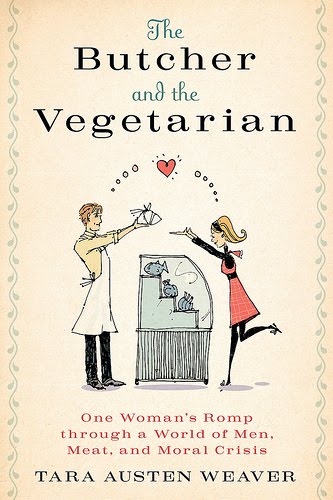
"A piece of bacon here, a chicken wing there, all eaten out of hand, fingers licked afterward. The sun is heading toward the horizon now; the small bit of beer in the bottom of my bottle is warm. Sunday is coming to a close and we've done nothing all day but grill and eat meat - which sounds absurd but feels sublime..."

Tara Austen Weaver, writing about barbecue in "The Butcher and the Vegetarian: One Woman's Romp Through a World of Men, Meat, and Moral Crisis."

Friday, August 13, 2010

Peach fuzz

"In trying to save my Sun Crest peaches, I discover that they are more than just food, they are part of a permanence, a continuity with the past. People who enjoy my peaches understand what juicy, sweet ones taste like. Biting into one may send them back to the orchards of their childhoods and that warm sense of constancy of family found in their memories. Individuals leave for the city, but the memories of farms stay behind to anchor personal family histories. My peaches find a home with these folks, a touchstone to their past."

David Mas Masumoto, in "Epitaph for a Peach: Four Seasons on My Family Farm."

Sunday, August 8, 2010

Food art


Because sometimes the display is simply too beautiful to ignore.

Saturday, August 7, 2010

Keeping it Real

When Real Madrid arrives for a friendly against the LA Galaxy, when 89,000-plus file into and out of the Rose Bowl in Pasadena on a sunny afternoon, we look for icy drinks to cool us down.

Horchata

2 cups boiling water
3/4 cup rice powder or rice flour
4 cups lowfat or whole milk
1/4 cup plus 2 Tbsp. sweetened condensed milk
1/4 tsp. cinnamon
a few drops vanilla extract

Whisk the boiling water into the rice powder or rice flour until incorporated. Add the remaining ingredients and stir until the milk dissolves. Chill for several hours, or until quite cold or at least cool. Stir and serve over ice. Makes 6 servings.

Thursday, July 29, 2010

Lunchtime pie

"Nobody makes strawberry chocolate pie the way you do. Wednesday is my favorite day of the week because I get to have a slice of it. I think about it as I'm waking up. You could solve all the problems of the world with that pie...

"Just a pie? It's downright expert. A thing of beauty. How each flavor opens itself one by one, like a chapter in a book.

"First a burst of exotic spices. Just a hint of it. Then you're flooded with chocolate, dark and sweet, like an old love affair. And finally strawberry, the way strawberry was always supposed to taste but never knew how.

"In fact, I tell you what, forget all the other stuff I ordered. Just bring me the damn pie. That's all I want. I don't care if it's not a well-balanced meal. Just bring me the pie..."

Joe (Andy Griffith) talking about Jenna's (Keri Russell) special strawberry chocolate oasis pie in the film "Waitress."

Sunday, July 25, 2010

Good Stuff

The July issue of Food & Wine includes a story on Spike Mendelsohn, whose Good Stuff Eatery in Washington, D.C. is a 15-minute drive from the White House, and whose menu features a heart-healthier Michelle Melt, "a turkey burger flavored with sauteed apple and celery."

What intrigue us most in the piece, however, are the recipes:

Michelle's Turkey Burgers with Lemon Mayonnaise

3 Tbsp. canola oil
1 onion, halved and thinly sliced
1/2 cup finely chopped celery
1/2 cup finely chopped Granny Smith apple
2 scallions, thinly sliced
1 small canned chipotle in adobo, minced
1 1/2 lbs. lean ground turkey breast
1 Tbsp. minced flat-leaf parsley
2 tsp. finely grated lemon zest
kosher salt and freshly ground black pepper
1/3 cup reduced-fat mayonnaise
1 1/2 tsp. fresh lemon juice
1/4 tsp. chopped thyme
4 whole-wheat hamburger buns, split and toasted
4 iceberg lettuce leaves
4 tomato slices

In a nonstick skillet, heat 1 Tbsp. of canola oil. Add the sliced onion and cook over moderate heat, stirring occasionally, until golden and softened, about 25 minutes. Transfer the onion to a bowl. Wipe out the skillet.

Heat 1 Tbsp. of canola oil in the skillet. Add the celery, apple and scallions and cook over moderate heat until softened, about 8 minutes. Transfer to a bowl and add the chipotle; let cool.

Stir in the turkey, parsley, 1 tsp. of lemon zest, 2 tsp. of salt and 1/4 tsp. of pepper. Shape the mixture into four 1/2-inch-thick patties.

In the skillet, heat the remaining 1 Tbsp. canola oil. Add the burgers and cook over moderately high heat, turning once, until no longer pink inside, 10 minutes.

Meanwhile, in a small bowl, mix the mayonnaise with the remaining 1 tsp. of lemon zest, the lemon juice and chopped thyme and season with salt and pepper.

Spread the lemon mayonnaise on the top halves of the buns; set the burgers on the bottom halves and top with the caramelized onions, lettuce and tomato. Makes 4 servings.

White House Honey-Oat Muffins

3/4 cup old-fashioned rolled oats
3/4 cup whole-wheat flour
3/4 cup all-purpose flour
2 tsp. baking powder
1 1/2 tsp. baking soda
1/2 tsp. ground cinnamon
1/2 tsp. ground coriander
3/4 tsp. salt
1/2 cup plus 2 Tbsp. honey
1/2 cup buttermilk
1/2 cup canola oil
2 large eggs

Preheat the oven to 375 degrees F. Coat a 12-cup muffin pan with cooking spray.

In a large bowl, mix the oats with the whole-wheat flour, all-purpose flour, baking powder, baking soda, cinnamon, coriander and salt.

In another bowl, whisk the honey with the buttermilk, canola oil and eggs. Pour the honey mixture into the dry ingredients. Mix until just combined.

Spoon the batter into the prepared muffin cups and bake for about 18 minutes, until they're golden and a toothpick inserted into the center of the muffins comes out clean.

Let the muffins cool in the pan for about 5 minutes, then transfer them to a rack. Makes 12 servings.

Tuesday, July 20, 2010

Comfort cooking

In the months before my grandmother's death, my mother cooked.

She bought pork and lamb at the store, glad to take advantage of grocery specials. She marinated beef to roast in a hot oven. She trimmed Chinese greens. She chopped and braised, steamed and stir-fried. She spent time in her kitchen with the television on but often ignored.

My mother cooked not for my grandmother, who by then hardly ate, cancer stealing the best of her appetite. She cooked not for my father. He would be fine with simple soups and porridges. She cooked not for my sisters, brothers or me. Though we dropped by on weekends, we could only eat so much. Imagine the leftovers. She cooked, I believe, for herself.

At the counter or the sink, my mother stayed busy. She prepped chicken perhaps or removed scales from a fish. She gave herself these things to do. Meanwhile, her mind wandered.

She thought about the food she did not have growing up in China and the access she enjoyed when she arrived in California. She recalled years of scrimping to send money back to family across the Pacific and the relief she finally felt when her mother arrived in the United States as well. She cooked and cried.


We talk of comfort food: a scoop of ice cream, for example, or a slice of cake, a barbecued pork bun or an egg custard tart.

Jonathan Reynolds wonders whether the term is redundant. "All food is comforting," he says in the memoir "Wrestling with Gravy: A Life, With Food," "or we'd be eating nothing but hot dogs at Shea and warm tar (indistinguishable in a Times blind-testing), with possibly a few vitamins thrown in.

"Unless you're... undergoing a fraternity initiation or briefly lapse into Joan Crawford territory with one of your sons, there is no such thing as 'punitive food'."

I suspect there is the idea of comfort cooking as well, the notion that kitchen work can help to reassure us, that time in front of a stove can keep us centered. My mother cooked, it seems, for the same reason others might ride a bike or read a book. She needed the diversion.


The moment my mother spied my grandmother in hospice care, the day after my uncle had admitted the woman, she ran to hold her. It was something I had seldom seen my mother do: openly embrace anybody. It felt like a clip from a Chinese-language soap opera.

Outward displays of affection had been rare in our house. Hugs and kisses were things other people traded. My mother demonstrated her love through food instead.

She treated scrapes my siblings and I got playing in the back yard with a little Bactine and a lot of candy. She marked our achievements with dumplings and broth. She greeted our returns from college with dishes we favored: braised eggplant, tofu and beef, vermicelli with egg and barbecued pork. She wasn't about big gestures but small everyday concerns. I realize this now.

"When am I going to get better?" my grandmother asked, her voice a soft but steady whisper. "I don't know when I am going to get better. Maybe this time I won't."

A friend told me once her heart grew three sizes the day her daughter was born; my heart broke into a hundred pieces that afternoon at the foot of my grandmother's bed.

My mother insisted that if my grandmother simply ate more, her health could improve. "If you don't have the nutrients," she reasoned, "how would you ever get well?"

I knew enough Cantonese to understand this exchange. From talks earlier with doctors and relatives, I also knew the truth: That no matter what or how much my grandmother did or did not eat, she wouldn't get better. The disease had taken a toll, wreaking havoc on her pancreas, stripping her body of the energy it required.

My mother punctuated her visits to the hospice with trips to Safeway or Trader Joe's nearby or to Chinatown, recognizing the severity of the situation, I'm sure, but needing still to collect ingredients for her own meals. In this way, she continued to live as my grandmother was about to die.

After all, my mother needed to pay attention to herself, too, did she not? She needed to look to the future and occasions she would inevitably get to spend with the rest of her family. Food - thinking about it, shopping for it, preparing it - provided a way for her to exert control over something when so much around her had been beyond her control. It was the happiness she allowed herself. In this backyard scrape, it was her candy.

The short market trips were also a way, I suppose, for her to fool death personally, to not let it follow her straight home from the hospice. She wanted to open and close car doors, enter and exit other buildings, walk up and down wide aisles, to ditch death randomly. She was superstitious like that.


In the months since my grandmother's death, my mother continues to cook. She shops for exceptional deals and brainstorms menu ideas. Her tears, however, no longer flavor the food.

She tells me about a visit with a friend to their neighborhood Lucky for 99-cent eggs. She wanted to limit herself to a couple of cartons. Her friend, however, dismissed the restraint.

"The people in the store know us," the woman said in Cantonese. "They see us all the time anyway. They know we're greedy. It doesn't matter how much we buy or don't buy." They shrugged, gathered four or five cartons each and headed to the register.

With joy I have not seen in a while, my mother tells me of the day she spent with a nephew from New Jersey. During a last-minute business trip to California, he made it a point to invite her out to eat.

In San Francisco, they came across a Chinese buffet. Though inexpensive, the food they spotted on people's plates seemed unappealing.

He placed his hand on my mother's back and guided her away from the entrance of the restaurant. "The two of us," her nephew said, gently and genuinely, "let's go eat something better. You and I, we deserve something better." She agreed.

My mother tells me these stories, peppered with humor, irony and insight, one night over dinner. I listen and laugh.

(A version of this essay appears on the website for The Atlantic.)

About Me

is a writer and reviewer on the West Coast whose essays and articles have appeared in publications such as the Oakland Tribune, the San Francisco Chronicle, Budget Travel, Brown Alumni Magazine, Saveur, Relish, Gastronomica, Best Food Writing 2002, www.theatlantic.com, www.npr.org and www.culinate.com. She has a bachelor's in English from Brown and a master's in literary nonfiction from the University of Oregon. Send comments, questions and suggestions to: mschristinaeng@gmail.com.

Books I am Reading

  • "James and the Giant Peach" by Roald Dahl
  • "Manhood for Amateurs" by Michael Chabon
  • "The Big Sur Bakery Cookbook" by Michelle and Philip Wojtowicz and Michael Gilson
  • "Rustic Fruit Desserts" by Cory Schreiber and Julie Richardson
  • "Toast: The Story of a Boy's Hunger" by Nigel Slater
  • "Jamie at Home: Cook Your Way to the Good Life" by Jamie Oliver
  • "The Gastronomical Me" by M.F.K. Fisher
  • "Shark's Fin and Sichuan Pepper: A Sweet-Sour Memoir of Eating in China" by Fuchsia Dunlop
  • "My China: A Feast for All the Senses" by Kylie Kwong
  • "Serve the People: A Stir-Fried Journey Through China" by Jen Lin-Liu
  • "Dreams from My Father: A Story of Race and Inheritance" by Barack Obama

Films and TV Shows I am Watching

  • "Jiro Dreams of Sushi"
  • "Wallace & Gromit: A Matter of Loaf and Death"
  • "Gourmet's Diary of a Foodie"
  • "Waitress" with Keri Russell
  • "The Future of Food" by Deborah Koons Garcia
  • "Food, Inc."

Labels

Archive