Showing posts with label chicken. Show all posts

Tuesday, February 28, 2017

Po'boys and beignets, okra and file


Although I have eaten in New Orleans just once in my life, I have returned to its food – the variety, the intense and enticing flavors – a million times in my head.

Senior year in college, my roommate and I booked flights from Providence on a whim. She wanted to catch Mardi Gras. I was game for nearly anything. So we left New England on a Friday morning in February. Neglecting to double-check the calendar, however, we didn't realize that we would actually miss the party by a few days.

On the ground, we decided to plan our own festivities. They don't call it the Big Easy for nothing. Over the long weekend, we would eat and drink as best we could on our student budgets.

For lunch, we had muffulettas and oyster po'boys. They are casual, convenient sandwiches, proteins and carbs in the same package. The first is a meatfest topped with an olive spread, the second a showcase for deep-fried oysters.

For dinner, we had red beans and rice, and crawfish etouffee, with bold spices we seldom encountered in the dining halls. They were foods my roommate knew from her Southern childhood, foods with which I had only recently become familiar.

We sipped hurricanes in bars on Bourbon Street and treated ourselves to beignets and chicory-spiked café au lait at Café du Monde.

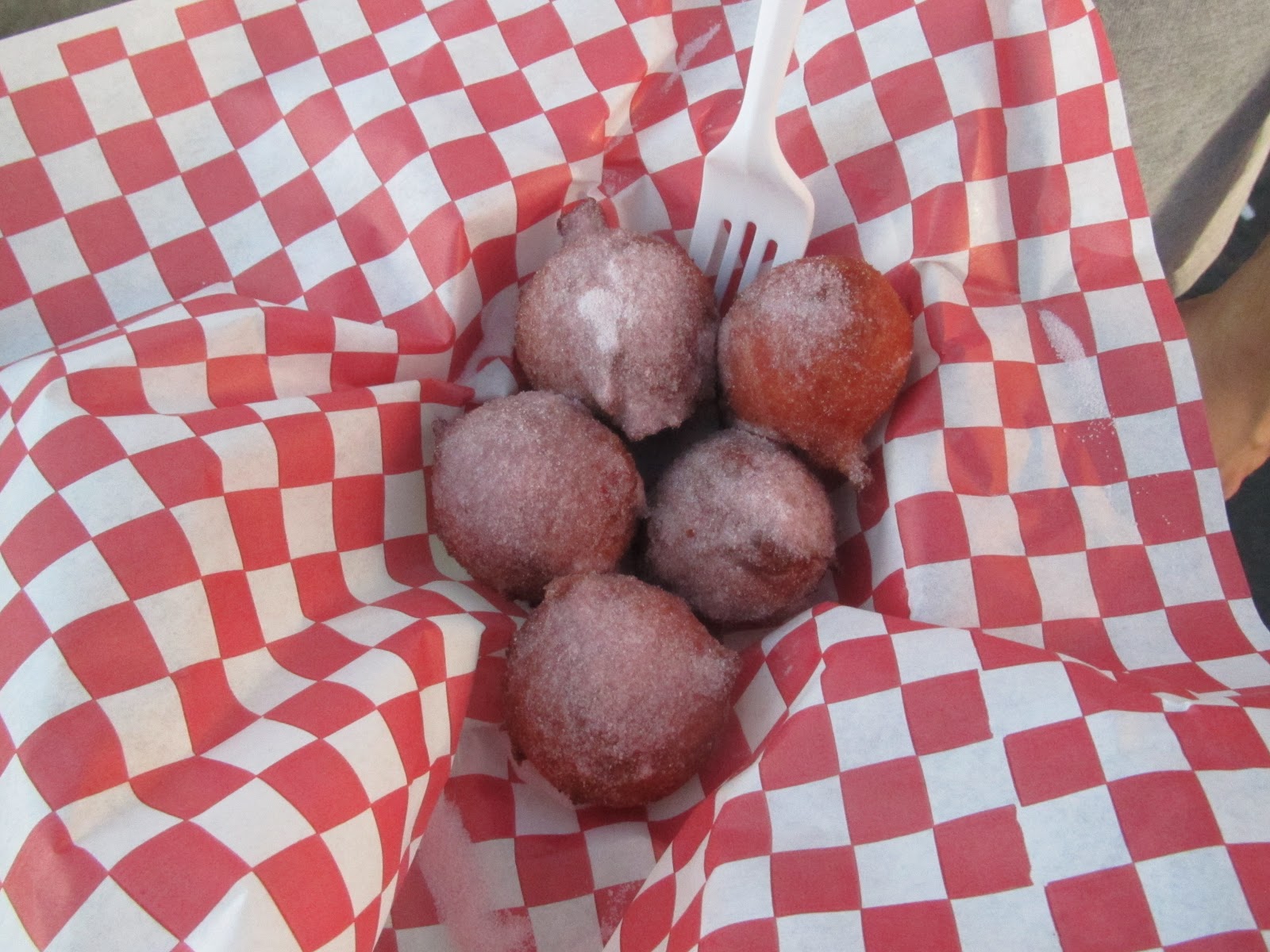
Piled high with powdered sugar, beignets need to be handled carefully. One shake sends a cloud of sweetness across the table. One laugh out loud and there was snow on our noses, our hair and our shirts. We went through several plates of these signature pastries, laughing into the early morning.

Chicory with coffee, I later learned, is an age-old Louisiana tradition. The French added roasted and ground chicory to coffee to help stretch supplies during Napoleonic blockades in the early 19th century. When naval blockades cut off shipments to New Orleans during the Civil War, people in Louisiana started to add chicory to their coffee as well, and came to appreciate the nuttiness it lent to the beverage.

***

New Orleans, it seems, has always been about good food. "We not only love to eat and to cook what we eat," Charmaine Neville says in the anthology "My New Orleans: Ballads to the Big Easy By Her Sons, Daughters and Lovers." "We love to talk about what we are going to cook and what we are going to eat. Before we finish what we're eating, we're already talking about the next meal we're going to have together."

"In spite of our differences," editor Rosemary James says in the introduction, "we have sought out each other's company over, always, the very best food, ingenious dishes created from a poor people's basics: beans, rice, okra, fish, crabs, oysters, shrimp, peppers, garlic, onions, file… And elegant desserts created from everyday things like bananas and sugar and rum. Ours is comfort food even for the aliens among us."

Traditional Louisiana cooking blends a number of cuisines and techniques. Creole dishes might have been based originally on French stews and soups, but they were influenced significantly as well by the Spanish affinity for onions, bell peppers, tomatoes and garlic, by the African use of okra, and the Native American introduction of file, finely ground sassafras leaves. Like Cajun foods, considered country cousins, they were spicy and robust.

By the 1980s and '90s, avuncular chefs such as Paul Prudhomme and Emeril Lagasse had mostly blurred the lines between Creole and Cajun cooking, popularizing both in person and in print. Lagasse, for example, incorporated them at Emeril's, his first solo restaurant venture, and in the best-selling book "Emeril's New New Orleans Cooking," developing additional recipes further influenced by his Portuguese roots.

In the months following Hurricane Katrina in 2005, eateries were among the first businesses in the city to re-open. Some places unfortunately did not survive. "Their owners were getting on in years," food writer and radio host Tom Fitzmorris says in "Hungry Town: A Culinary History of New Orleans," "or their buildings had been too badly damaged to rebuild, or they had intractable insurance problems."

But others including Galatoire's, Commander's Palace, Brennan's and K-Paul's Louisiana Kitchen still thrive. Home-grown chefs such as Susan Spicer, Donald Link and John Besh also continue to play with seasonal ingredients and innovative approaches at places like Mondo, Herbsaint and Restaurant August, respectively.

Before Katrina hit, according to Fitzmorris, there were more than 800 restaurants in greater New Orleans. These days, there are more than 1,200 – big and small, casual and formal, Creole, Cajun, Caribbean, French, Italian. It is a testament to the hunger people in the city have for good-tasting food, and the lengths to which cooks will go to feed that hunger. It speaks to their commitment and hospitality.

***

Since college, I have tasted different foods and visited a number of other cities. I have bitten into fresh scones, for example, topped with strawberry jam and lovely clotted cream in London. I have had cheese-smothered deep-dish pizzas in Chicago. I have feasted on Korean favorites like bulgogi and bibimbap in Los Angeles.

Why then, I wonder, do I return often in my head, and in my kitchen, to iconic New Orleans foods?

When catfish fillets are on special at the market, I grill them Louisiana-style, seasoned with paprika, black pepper, white pepper and cayenne pepper. I like the heat. When Christmas comes, I make a festive jambalaya. It seems the right project for a celebration. And when rain threatens to dampen my spirits, I gather ingredients for chicken and sausage gumbo. I have nearly perfected my roux.

Some foods, I suppose, are a part of who I am, who we are. They are the dishes we grow up eating, whether poached whole chicken or macaroni and cheese, barbecued pork buns or fresh baked apple pie. They are the flavors we know well, offered to us by our parents or grandparents.

Other foods, however, are a part of who I become, who we become, the people we essentially grow into. They are the dishes we discover on our own when we choose to travel and broaden our palates. They are the flavors we try to re-create when we can, combinations that started for me with a weekend trip to the South long ago.

Po'boys and beignets, okra and file. They are items my parents and grandparents never ate. After immigrating to the U.S. in the 1960s, my mother spent her time and effort at the stove fine-tuning Chinese dishes that reminded her of home. She knew of nothing else and wanted nothing more at her table in California. I would inevitably learn more and need more.

Maybe that's what New Orleans means to me. It is a terrific city with an extraordinary history. But it is also among the first places I found myself, when I began to look, when I hoped to forge an identity outside of family. There is that thrill. Maybe that's the connection. And the food? Well, maybe the food is just a splendid bonus.

(A version of this essay appeared originally on www.culinate.com.)

Tuesday, February 26, 2013

Distinction


"After another five years of magazine and newspaper writing, cookbook work, and tasting menus, I had acquired an additional fifteen pounds. My heart, my gut, and my blood sugar were unimpressed by the four-star pedigree of many of those extra calories. To them, there was no distinction between a Ferran Adria tasting menu and a Colonel Sanders Variety Bucket."

Peter Kaminsky in "Culinary Intelligence: The Art of Eating Healthy (and Really Well)" 


Saturday, September 15, 2012

Sunday, July 31, 2011

Finger-lickin' good

For Nigel Slater, the best part about honey-glazed chicken wings comes toward the end of the meal.

"Like watching the credits rolling after a film, the licking of fingers is when you get to savour what you have just enjoyed..."

The British food writer serves up another damn fine read in The Observer. Without fail, he makes us hungry.

Monday, July 25, 2011

Hard to resist

"Then the Tour started. And it was impossible to resist. It always is. It sits there like a slice of key lime pie or the last piece of fried chicken, mocking will power. Cycling may punish you later, but it's so seductive in the present. That is what the sport knows, why it perseveres, despite its repeated, maddening mess-making..."

Only in The Wall Street Journal perhaps can a sports writer compare the Tour de France, "already stuck in a queasy fog," to key lime pie and fried chicken. Oddly enough, though, the references work.

Tuesday, October 12, 2010

Tasty Thai


It is perhaps not the tastiest Thai food we have eaten. The flavors could pop that much more. But in a pinch, in Moab, it is tasty enough.

In the land of the blind, as they say, the one-eyed man is king.

Sunday, September 19, 2010

Memphis in Manhattan Beach


Geography matters. Or not.

We go to see Phoenix at the Hollywood Bowl. Tonight, we travel to Memphis in Manhattan Beach, where we order catfish and crab cakes, a bison burger and fried chicken. When the food arrives, we pass the camera around the table. It is a habit we have developed. We eat and swoon.

Tuesday, August 24, 2010

Meat and vegetables


"A piece of bacon here, a chicken wing there, all eaten out of hand, fingers licked afterward. The sun is heading toward the horizon now; the small bit of beer in the bottom of my bottle is warm. Sunday is coming to a close and we've done nothing all day but grill and eat meat - which sounds absurd but feels sublime..."

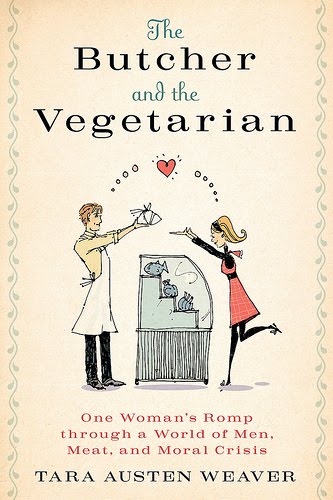
Tara Austen Weaver, writing about barbecue in "The Butcher and the Vegetarian: One Woman's Romp Through a World of Men, Meat, and Moral Crisis."

Tuesday, July 20, 2010

Comfort cooking

In the months before my grandmother's death, my mother cooked.

She bought pork and lamb at the store, glad to take advantage of grocery specials. She marinated beef to roast in a hot oven. She trimmed Chinese greens. She chopped and braised, steamed and stir-fried. She spent time in her kitchen with the television on but often ignored.

My mother cooked not for my grandmother, who by then hardly ate, cancer stealing the best of her appetite. She cooked not for my father. He would be fine with simple soups and porridges. She cooked not for my sisters, brothers or me. Though we dropped by on weekends, we could only eat so much. Imagine the leftovers. She cooked, I believe, for herself.

At the counter or the sink, my mother stayed busy. She prepped chicken perhaps or removed scales from a fish. She gave herself these things to do. Meanwhile, her mind wandered.

She thought about the food she did not have growing up in China and the access she enjoyed when she arrived in California. She recalled years of scrimping to send money back to family across the Pacific and the relief she finally felt when her mother arrived in the United States as well. She cooked and cried.


We talk of comfort food: a scoop of ice cream, for example, or a slice of cake, a barbecued pork bun or an egg custard tart.

Jonathan Reynolds wonders whether the term is redundant. "All food is comforting," he says in the memoir "Wrestling with Gravy: A Life, With Food," "or we'd be eating nothing but hot dogs at Shea and warm tar (indistinguishable in a Times blind-testing), with possibly a few vitamins thrown in.

"Unless you're... undergoing a fraternity initiation or briefly lapse into Joan Crawford territory with one of your sons, there is no such thing as 'punitive food'."

I suspect there is the idea of comfort cooking as well, the notion that kitchen work can help to reassure us, that time in front of a stove can keep us centered. My mother cooked, it seems, for the same reason others might ride a bike or read a book. She needed the diversion.


The moment my mother spied my grandmother in hospice care, the day after my uncle had admitted the woman, she ran to hold her. It was something I had seldom seen my mother do: openly embrace anybody. It felt like a clip from a Chinese-language soap opera.

Outward displays of affection had been rare in our house. Hugs and kisses were things other people traded. My mother demonstrated her love through food instead.

She treated scrapes my siblings and I got playing in the back yard with a little Bactine and a lot of candy. She marked our achievements with dumplings and broth. She greeted our returns from college with dishes we favored: braised eggplant, tofu and beef, vermicelli with egg and barbecued pork. She wasn't about big gestures but small everyday concerns. I realize this now.

"When am I going to get better?" my grandmother asked, her voice a soft but steady whisper. "I don't know when I am going to get better. Maybe this time I won't."

A friend told me once her heart grew three sizes the day her daughter was born; my heart broke into a hundred pieces that afternoon at the foot of my grandmother's bed.

My mother insisted that if my grandmother simply ate more, her health could improve. "If you don't have the nutrients," she reasoned, "how would you ever get well?"

I knew enough Cantonese to understand this exchange. From talks earlier with doctors and relatives, I also knew the truth: That no matter what or how much my grandmother did or did not eat, she wouldn't get better. The disease had taken a toll, wreaking havoc on her pancreas, stripping her body of the energy it required.

My mother punctuated her visits to the hospice with trips to Safeway or Trader Joe's nearby or to Chinatown, recognizing the severity of the situation, I'm sure, but needing still to collect ingredients for her own meals. In this way, she continued to live as my grandmother was about to die.

After all, my mother needed to pay attention to herself, too, did she not? She needed to look to the future and occasions she would inevitably get to spend with the rest of her family. Food - thinking about it, shopping for it, preparing it - provided a way for her to exert control over something when so much around her had been beyond her control. It was the happiness she allowed herself. In this backyard scrape, it was her candy.

The short market trips were also a way, I suppose, for her to fool death personally, to not let it follow her straight home from the hospice. She wanted to open and close car doors, enter and exit other buildings, walk up and down wide aisles, to ditch death randomly. She was superstitious like that.


In the months since my grandmother's death, my mother continues to cook. She shops for exceptional deals and brainstorms menu ideas. Her tears, however, no longer flavor the food.

She tells me about a visit with a friend to their neighborhood Lucky for 99-cent eggs. She wanted to limit herself to a couple of cartons. Her friend, however, dismissed the restraint.

"The people in the store know us," the woman said in Cantonese. "They see us all the time anyway. They know we're greedy. It doesn't matter how much we buy or don't buy." They shrugged, gathered four or five cartons each and headed to the register.

With joy I have not seen in a while, my mother tells me of the day she spent with a nephew from New Jersey. During a last-minute business trip to California, he made it a point to invite her out to eat.

In San Francisco, they came across a Chinese buffet. Though inexpensive, the food they spotted on people's plates seemed unappealing.

He placed his hand on my mother's back and guided her away from the entrance of the restaurant. "The two of us," her nephew said, gently and genuinely, "let's go eat something better. You and I, we deserve something better." She agreed.

My mother tells me these stories, peppered with humor, irony and insight, one night over dinner. I listen and laugh.

(A version of this essay appears on the website for The Atlantic.)

Sunday, June 20, 2010

Food for my father

When we were growing up, my mother spent afternoons in the kitchen making traditional Chinese dumplings and pastries. Determined not to let us forget who we were, she poached chicken and steamed fish. She simmered pots of soup. She stuck with the familiar.

But my father liked to experiment. Having been in California long enough to taste other foods, he wanted to introduce us to all sorts of things. He asked my mother to serve asparagus the way many Americans did - with hollandaise sauce. He showed her how to bake russet potatoes in the oven. He fed us sour cream.

He allowed my sibling and me departures from Chinese food, rescuing us from what would become our mother's predictability. He injected new flavors into our weekly menus, bringing home burgers from a restaurant near his store in San Francisco, patties so thick they dripped with each bite, and deep-dish pizzas. He had these with glasses of beer, a practice I have long since adopted.

He took us to the grocery store. My mother shopped mostly in Chinatown. But my father preferred the American supermarkets. We went with him on Saturdays for staples such as milk and bread.

My sisters, brothers and I wandered the aisles and filled the cart with cookies while our father stayed in the meat department comparing packages of beef. We never asked permission for the items we chose. He never denied us the foods we liked.

So it is disheartening to learn now that my father, as he gets older, sometimes fails to eat, that he sleeps late and skips meals, that he's uninterested in the things my mother cooks. That his weight has begun to fall.


Nutritionists and psychologists talk often about the connections between age and health, mood and appetite. In articles and on Web sites, they write about the benefits of a balanced diet, offering suggestions for seniors to stay well.

Eat more whole grains, they say. Eat more fruits and vegetables, beans and nuts. Eat less fat, cholesterol and sodium. They tell me nothing new.

They look at the possible effects of treatment and medication on appetite. One influences the other, they say. But my father isn't on treatment. He isn't on heavy medication. He takes a pill a day and a couple of calcium supplements.

They look also at environment. Seniors who live alone sometimes find it discouraging to eat alone. They don't like to sit by themselves. But my father does not live alone. My mother is next to him, cooking morning, noon and night. How could he not be hungry?


Watching my father in the kitchen, I recall a time years ago when he ate heartily, when sumptuous Saturday evening meals, for example, were rewards for weeks of hard work, when holidays, both Chinese and American, were occasions for serious family feasts.

My mother would fill the table with my father's favorites: cellophane noodles, shrimp and vegetable stir-fry, sweet and sour pork, as well as crab or lobster when they were available. She'd top the menu with refreshing slices of oranges or sweet, ripened mangoes.

Eager to watch television, my siblings and I tried to tear through the food. But our father disapproved. Slow down, he'd say. Enjoy your meal.

He'd pick up a mouthful of noodles with his chopsticks, touch it to his lips and taste. The seasonings were perfect. He'd lick the sauce off a piece of pork or wok-fried crab, savoring its juices.

Half an hour later, my father would wipe his lips, push his chair from the edge of the table and gently pat his stomach. Good, he'd say, smiling discreetly. I'm full.

I wonder if that might happen again, if my father would find such peace and satisfaction in the things he ate.


One afternoon, aiming to give him a respite from Chinese food, the way he had done for my sisters, brothers and me when we were children, I set out to make a pot of chili for my father.

I select a recipe from my eclectic collection and cook ground turkey instead of ground beef. I want the dish to be heart healthy. I include tons of vegetables: diced bell peppers, portobello mushrooms, corn, zucchini and tomatoes. I want it to be nutritious. I throw in chili powder and red pepper flakes. I want it to have a significant kick.

At my parents' house that night, I serve the chili with steamed white rice, something my mother cannot refuse. I note the ingredients and encourage them to help themselves.

My mother thanks me for cooking, saving her time and energy. It is not a big deal, I reply, before turning to my father, who scoops a small portion.

I want him to like the food. I want him to have seconds. Thirds even. I do. He doesn't. In the end, I impress only myself.


Perhaps the nutritionists and psychologists were right. Maybe my father - like others his age - isn't thinking much about eating. At 80, he has different concerns. But does his decreasing appetite for food in particular mirror a decreasing appetite for life in general?

Does he believe, 15 years into retirement, that he has tasted all there is? It would be a shame. I want to convince my father there are tons of foods he has not tried.

So I will continue to encourage my father to eat today and tomorrow. He is the one who introduced us years ago to American favorites, who did not deny us the snacks we craved, who pushed his chair from the edge of the table after an especially satisfying meal.

I will help my mother keep their kitchen stocked with all sorts of good food - the chicken and fresh fish she likes, the cereals and bananas he likes - and provide them occasional departures from the usual.

And on mornings when my mother visits friends in the neighborhood, I will stop by the house to spend time with my father.

I will boil eggs for his breakfast. Twelve minutes, no more, no less, the way I learned to in college. They will come out perfect. He can have them with a bowl of oatmeal and a cup of coffee.

It might not be the biggest or most extravagant meal in the world. It might not be fancy or expensive. But it will be a decent start.


(A version of this essay appeared originally in The Oakland Tribune.)

Sunday, March 7, 2010

What Hollywood eats

For the 16th year in a row, chef Wolfgang Puck spearheads the Governors Ball, which takes place after the Academy Awards.

The menu, beginning with appetizers:

Tempura Shrimp and Lobster

Mini Kobe Burgers with Aged Cheddar and Remoulade

Wasabi Pea-Crusted Crab Cake with Mango and Thai Basil

Smoked Salmon Pizza with Caviar and Dill Creme

Black Truffle and Ricotta Cheese Pizza

Vegetable Spring Rolls with Sweet and Spicy Dipping Sauce

Chicken Potstickers with Ginger Black Vinegar Dipping Sauce

For dinner, there is:

House-Smoked Salmon, Potato Galette, Creme Fraiche and Baby Greens with Butler-passed Warm Brioche

Chicken Pot Pie with Yukon Gold Potatoes, Baby Heirloom Vegetables and Homemade Pastry Crust

And for dessert:

L'Etoile de Oscar

Baked Alaska with Espresso Glace, Guittard L'Etoile du Nord Chocolate Sorbet and Toasted Meringue

Now who says people in Hollywood do not eat?

Sunday, November 15, 2009

Flipping out


Should my sister meet Bonny Wolf, I think they would get along. She is a Bundt-pan fanatic, using hers nearly every other week to create simple round cakes for friends and colleagues. Have boxed mix, will travel. Or so she says.

In "The Little Cake Pan That Could," the first essay in "Talking With My Mouth Full," Wolf takes a delicious look at Bundt cakes, "perfectly shaped, evenly browned, and consistently moist."

The Washington, D.C.-based journalist pays proper tribute to H. David Dalquist, who with his wife, Dorothy, founded Nordic Ware in 1946 in the basement of their Minneapolis home. Roughly four years later, they developed their signature mould.

After a Texas woman placed second in the 17th annual Pillsbury Bake-Off in 1966, for a Tunnel of Fudge cake prepared in a Bundt pan, the Dalquists' creation took center stage. Its popularity soared. Production orders rolled in quickly. It is now considered a bakeware icon.

"For a while, everyone made Bundt cakes," Wolf writes, "blueberry cream cheese, walnut rum, even one with 7-Up. The Harvey Wallbanger Bundt cake... used yellow cake mix, vanilla pudding mix, eggs, oil, orange juice, vodka, and Galliano liqueur, just like its namesake cocktail. The Margarita cake involved margarita mix, orange liqueur, and tequila." The possibilities seem endless. Doesn't my sister know it?

The author describes in straightforward prose foods she has always eaten: the old-fashioned dishes of her childhood in Minnesota, the crab cakes of her college days in Baltimore.

Avoiding fancy or fussy presentations, Wolf concentrates instead on homey comfort fare. She examines family classics and regional specialties, easy-to-make entrees as well as tried-and-true sweets. They are items we have had before or would hope to taste in the future.

She punctuates these 30-plus discussions with cooking instructions for meats and vegetables, fancy drinks and frozen desserts, all recipes she has collected religiously over the years from a variety of sources.

Should my brother meet Wolf, they would get along, too. Wolf looks beyond the kitchen as well, to kitschy county fairs and thriving food halls across the United States. In the piece "A Day at the Fair," for example, she describes greasy grub at the annual Minnesota State Fair, which features "forty-nine foods on a stick... (representing) the good, the bad, and the truly gross."

It is a scene I think my brother would appreciate. With his friends in Southern California, he has gone to the Los Angeles County Fair nine years running. He has downed deep-fried Oreos, Snickers, and Twinkies; fried green tomatoes, zucchini, and mushrooms; curly fries, garlic fries, and chili-cheese fries. Presumably on different afternoons.

In "Market Pleasures," one of my favorites, Wolf takes us to the Eastern Market in Washington, D.C.'s Capitol Hill neighborhood, an institution she cherishes.

"It is where (we) shop every day, like European housewives, for fresh fish, meats, poultry and bread," she explains. "This is where we go for cold cuts and cheese, fresh pasta and sauces. If we wanted to, we could even buy pigs' feet. On Monday, the one day the market is closed, we suffer."

The Eastern Market is similar in many ways to the Reading Terminal Market in Philadelphia, the Pike Place Market in Seattle, the West Side Market in Cleveland, the original Farmers' Market in Los Angeles, and the Ferry Building Marketplace in San Francisco.

"It's at a city's market that you come to understand the city," Wolf writes. "When you see how real people shop for food you begin to understand who they are and how they live. It's the 'life' part of city life and the 'heart' part of heart of town. If you're very lucky, you live nearby." I want to be that lucky.

Other essays - on ice-cream shops, perfectly roasted poultry, and what the author calls "the holy trinity of Texas meat cooking" (chicken-fried steak, chili and barbecue) - prove equally rewarding. Accessible topics such as these help give "Talking With My Mouth Full" a strong sense of familiarity and a certain cohesiveness.

By looking at things we all have encountered, Wolf reminds us of the bonds we inevitably share, the common threads that run through our lives at the table. She celebrates the items that nourish us time and again, offering insight on a host of uniquely and traditionally American foods.

(A version of this article appeared originally on www.culinate.com.)

Tuesday, October 20, 2009

Flying on faith


The line for dinner is interminably long. But I fly on faith. I trust a recommendation from a virtual stranger: Tayyabs in Whitechapel. I learn to let go.

Inside the restaurant, I examine the sweets on display. I practice restraint and resilience; I dodge servers coming and going. I think also about the granola bar in my purse but do not give in yet to hunger.

An hour later, seated finally, with food, glorious food on the table, with lamb, chicken, okra and naan before us, I understand the wait.

Saturday, September 26, 2009

Chicken soup

A visit to the Contemporary Jewish Museum in San Francisco and "There's a Mystery There: Sendak on Sendak," on exhibit through Jan. 19, reminds me of Maurice Sendak's classic children's title "Chicken Soup with Rice: A Book of Months."

I can hear Carole King singing the words.

This is an excerpt:

In March the wind
Blows down my door
And spills my soup
Upon the floor.
It laps it up
And roars for more
Blowing once
Blowing twice
Blowing chicken soup
with rice.

Monday, September 14, 2009

Food matters

On the table: Cheeseburgers and chicken sandwiches from the Dollar Menu at McDonald's. It is a last-minute but convenient lunch, coupled with baked apple pies and strong cravings - left unsatisfied - for high-sodium french fries.

On the reading list, ironically: Mark Bittman's book "Food Matters: A Guide to Conscious Eating." In it, he advocates "sane eating." He suggests, for example, we consume less meat, certainly less fast food, more vegetables, legumes, fruits and whole grains.

Next time, we do better.

Tuesday, July 7, 2009

Remember the time

"So I went over to his house to have dinner. The chef came out and said, 'What would you like?'

"I said, 'Some grilled chicken.'

"So as we begin to talk about the video and what he wanted me to do, the chef brought me out the grilled chicken. But he brought Michael out a bucket of Kentucky Fried Chicken.

"And I went crazy, like, 'Wait a minute! Michael, you eat Kentucky Fried Chicken?'

"That made my day. That was the greatest moment of my life. We had such a good time sitting on the floor, eating that bucket of Kentucky Fried Chicken."

Magic Johnson, on working on the video for "Remember the Time," speaking at the memorial service for Michael Jackson.

Tuesday, May 26, 2009

"Wagamama" and me


Though I say nice things about Andy Raskin's "The Ramen King and I," I have pretty much stopped eating packages of instant ramen and Cup Noodles, and tend not to stock them in the house. The artificial quality and high sodium content frighten me.

On the other hand, I can appreciate fresh noodles served in big bowls of hot broth or stir-fried swiftly with slivers of meat and vegetables. I like the taste and the versatility. Birthday meals, for instance, always include platters of noodles.

In what can be called a stroke of synergy, I am given a copy of "The Wagamama Cookbook."

Written by Hugo Arnold, it includes ideas and recipes from the popular British restaurant chain specializing in soba, ramen and udon noodle dishes. The first outpost opened in London's Bloomsbury neighborhood; there are now dozens of Wagamamas around the world.

I favor chicken ramen and will have to try this version in the near future:

Chicken Ramen
(Charbroiled Chicken and Noodle Soup with Bok Choy and Bamboo Shoots)

2 boneless, skinless chicken breasts
vegetable oil, for oiling
salt and white pepper
9 oz. fresh egg noodles
4 cups chicken or vegetable stock
2 bok choy, trimmed and roughly chopped (or 2 handfuls of baby spinach leaves)
12 pieces bamboo shoots, drained
4 scallions, trimmed and finely sliced

Preheat the broiler or grill. Lightly oil and season the chicken breasts and broil or grill for 4 minutes on each side, or until cooked through. Let rest for 5 minutes, slice on the diagonal, and set aside.

Cook the noodles in a large pot of boiling water for 2 to 3 minutes until just tender. Drain, refresh under cold running water, and divide between 2 bowls.

Heat the chicken or vegetable stock until boiling. Put the bok choy on top of the noodles and ladle in the stock. Top with the sliced chicken, bamboo shoots and scallions. Makes 2 servings.

Thursday, May 7, 2009

Meeting for lunch


Google might have cut back on afternoon tea for its employees in Mountain View. But during its annual meeting at corporate headquarters, the company still offers an impressive lunch buffet for shareholders who attend.

In addition to items such as salad greens and hard-boiled eggs, we have an orange couscous salad, and a Greek pasta salad with olives and artichoke hearts.

We have bacon-wrapped pork tenderloin, rotisserie chicken, and mini pot roast sandwiches. We have crab cakes with little to no fillers. We have asparagus, macaroni and cheese, and corn and lima bean succotash. We have so-called raw lasagna layered with thin slices of zucchini and "cheese" made from macadamia nuts. We have strawberries and fresh-cut pineapple.

For dessert, we have eclairs, white chocolate chip and cranberry cookies, berry cobbler, and IT'S-ITs packaged with the Google logo.

I'm sorry. Is the CEO talking? Is there investor business to conduct?

Wednesday, March 11, 2009

Cashew chicken

Southern food writer John T. Edge looks at the cashew chicken phenomenon in Springfield, Missouri.

Its incarnation - "deep-fried chicken chunks in a brown slurry of soy sauce, oyster sauce and stock, scattered with green onions and halved cashews" - frightens me actually. I can imagine the chicken goop, for lack of a better word, and remain grateful to know true Chinese food.

The version from Kylie Kwong's "Simple Chinese Cooking," for example, is more healthful and tastes much cleaner:

Stir-Fried Chicken Fillets with Cashews

1 lb. 10 oz. chicken thigh fillets, cut into 1-inch slices
1 medium cucumber
1/4 cup vegetable oil
1 cup unsalted and roasted cashew nuts, about 5 oz.
6 cloves garlic, finely diced
2 Tbsp. Shao Hsing wine or dry sherry
2 tsp. sea salt
3/4 cup finely sliced scallions

marinade:
2 Tbsp. Shao Hsing wine or dry sherry
2 Tbsp. cornstarch
1 Tbsp. cold water
1 tsp. sea salt

Combine chicken with marinade ingredients in a large bowl, cover, and leave to marinate in the refrigerator for 30 minutes.

Cut cucumber in half lengthwise and scoop out the seeds using a spoon. Place cucumber cut-side down on a chopping board, finely slice on the diagonal and set aside.

Heat 2 Tbsp. of the oil in a hot wok until the surface seems to shimmer slightly. Add half the marinated chicken and stir-fry for 1 minute. Remove from wok with a slotted spoon and set aside. Add remaining chicken and stir-fry for 1 minute, remove from wok and set aside.

Add remaining oil to the hot wok, stir in nuts and garlic and stir-fry on medium heat for 30 seconds, stirring constantly to ensure garlic does not burn. Immediately return chicken to the wok and increase heat to high. Pour in wine or sherry and stir-fry for 30 seconds.

Add salt and continue to stir-fry for a further 30 seconds or until chicken is lightly browned and just cooked through. Lastly, add reserved cucumber and stir-fry for 10 seconds.

Arrange chicken on a platter, garnish with scallions. Makes 4 servings.

About Me

is a writer and reviewer on the West Coast whose essays and articles have appeared in publications such as the Oakland Tribune, the San Francisco Chronicle, Budget Travel, Brown Alumni Magazine, Saveur, Relish, Gastronomica, Best Food Writing 2002, www.theatlantic.com, www.npr.org and www.culinate.com. She has a bachelor's in English from Brown and a master's in literary nonfiction from the University of Oregon. Send comments, questions and suggestions to: mschristinaeng@gmail.com.

Books I am Reading

  • "James and the Giant Peach" by Roald Dahl
  • "Manhood for Amateurs" by Michael Chabon
  • "The Big Sur Bakery Cookbook" by Michelle and Philip Wojtowicz and Michael Gilson
  • "Rustic Fruit Desserts" by Cory Schreiber and Julie Richardson
  • "Toast: The Story of a Boy's Hunger" by Nigel Slater
  • "Jamie at Home: Cook Your Way to the Good Life" by Jamie Oliver
  • "The Gastronomical Me" by M.F.K. Fisher
  • "Shark's Fin and Sichuan Pepper: A Sweet-Sour Memoir of Eating in China" by Fuchsia Dunlop
  • "My China: A Feast for All the Senses" by Kylie Kwong
  • "Serve the People: A Stir-Fried Journey Through China" by Jen Lin-Liu
  • "Dreams from My Father: A Story of Race and Inheritance" by Barack Obama

Films and TV Shows I am Watching

  • "Jiro Dreams of Sushi"
  • "Wallace & Gromit: A Matter of Loaf and Death"
  • "Gourmet's Diary of a Foodie"
  • "Waitress" with Keri Russell
  • "The Future of Food" by Deborah Koons Garcia
  • "Food, Inc."

Labels

Archive